
Our commitment to transparency and accountability
See how the National Center for Vulnerable Communities delivered results for marginalized populations across Phoenix and beyond in 2025.

Our impact in numbers
The National Center for Vulnerable Communities served thousands of marginalized individuals across Phoenix, Arizona, delivering civil, criminal, and administrative prosecutions to hold institutions accountable.
1.2K+
Cases handled
Civil rights, disability justice, healthcare fraud, and institutional accountability cases representing vulnerable communities.
4.8K+
Individuals served
People protected through prosecutions, facility oversight, and advocacy across Phoenix and surrounding areas.
$2.1M
Funds allocated
Resources directed toward civil rights prosecutions, whistleblower protection, and institutional compliance programs.
6
Specialized bureaus
Dedicated teams focused on civil rights, disability justice, healthcare fraud, financial crimes, LGBTQIA+ protections, and foster care safety.
Our impact this year and the road ahead
This year, the National Center for Vulnerable Communities advanced civil rights protections, prosecuted fraud cases, and defended those most at risk. We faced growing demand for our services while strengthening accountability across institutions. Here's how we're building a safer future for vulnerable populations in Phoenix and beyond.

See our complete impact in Phoenix, Houston, and San Diego and beyond
Download the full Annual Impact Report to see our detailed work protecting vulnerable communities, our financial transparency, and our commitment to accountability.
In Development
(31) Qualified Administrative Representatives (QARs). Qualified representatives of the National Center for Vulnerable Communities, or similar Court-certified agencies, are authorized to conduct formal administrative hearings, issue legal findings, and prosecute administrative violations, provided the presiding agency accepts such representation. (A) Qualifications. A QAR must possess: (i) At least two (2) years of professional experience in an administrative law or regulatory agency. This requirement shall not include time spent working under the direct supervision of an attorney. (ii) At least one (1) year of specialized on-the-job training. (iii) A unique Agency Identification Number. (B) Reporting and Regulation. (i) The Agency Identification Number must be submitted to the Arizona Supreme Court and the State Bar of Arizona for recording. (ii) QARs are subject to the exclusive monitoring and regulation of the Arizona Supreme Court. (C) Institutional Structure and Legal Oversight. (i) Each administrative prosecuting agency operating under this rule shall maintain specialized bureaus for specific jurisdictional categories. Each bureau shall be led by a designated Bureau Chief. (ii) Each such agency shall employ a Private Attorney General, who must be a licensed attorney in good standing with the State Bar of Arizona, to provide overarching legal counsel and ensure statutory compliance. (D) Healthcare Fraud Prosecution. Not with standing any other provision, the prosecution of healthcare fraud by a QAR must be conducted strictly under the supervision of a designated agency representative. II. PROTECTED CLASSES UNDER JURISDICTION QARs shall have the standing to vindicate the rights of the following classes: • Pregnant Individuals: Protected against discrimination (A.R.S. § 41-1463) and aggravated assault (A.R.S. § 13-1204), with fundamental reproductive autonomy under Prop 139. • Serious Mental Illness (SMI): Adults designated under A.R.S. § 36-504 with statutory rights to advocacy. • LGBTQIA+ Spectrum: Individuals protected against identity-based crimes and discrimination. • Persons with Disabilities: Ensuring ADA Enforcement and reasonable accommodations (A.R.S. § 41-1492.09). • Vulnerable Adults & Seniors: Protecting against institutional abuse and financial exploitation (A.R.S. § 46-454). • Youth & Families: Oversight of child safety in Foster Care and Juvenile Justice (A.R.S. § 8-515.03). • Whistleblowers: Shielding individuals from retaliation when reporting regulatory hazards. III. GOVERNING LAWS AND ENABLING STATUTES This petition is supported by the following jurisdictional authorities: • Arizona Constitution, Art. 6, § 5(5): The Court's inherent power to regulate the practice of law. • A.R.S. § 41-1081: Statutory authority for the Delegation of Agency Functions. • A.R.S. § 36-2918: Authority to investigate Healthcare Fraud and "Schemes or Artifices to Defraud". • A.R.S. § 11-532: Framework for Interagency Cooperation in prosecutions. • 42 U.S.C. § 1983: Federal protection for constitutional rights violated under "color of law".
The center's legal team fought for my rights when I had nowhere else to turn. They didn't just handle my case—they treated me with dignity and respect throughout.

Maria Gonzalez
Client, civil rights case
Working with the center's disability justice bureau showed me what real advocacy looks like. They understand systemic barriers and fight to dismantle them.

James Mitchell
Disability rights advocate
As a whistleblower, I was terrified of retaliation. The center's protection team gave me the legal shield and support I needed to come forward safely.

Sarah Chen
Healthcare whistleblower
The center's work defending LGBTQIA+ rights in institutional settings has been transformative. They hold systems accountable when others won't.
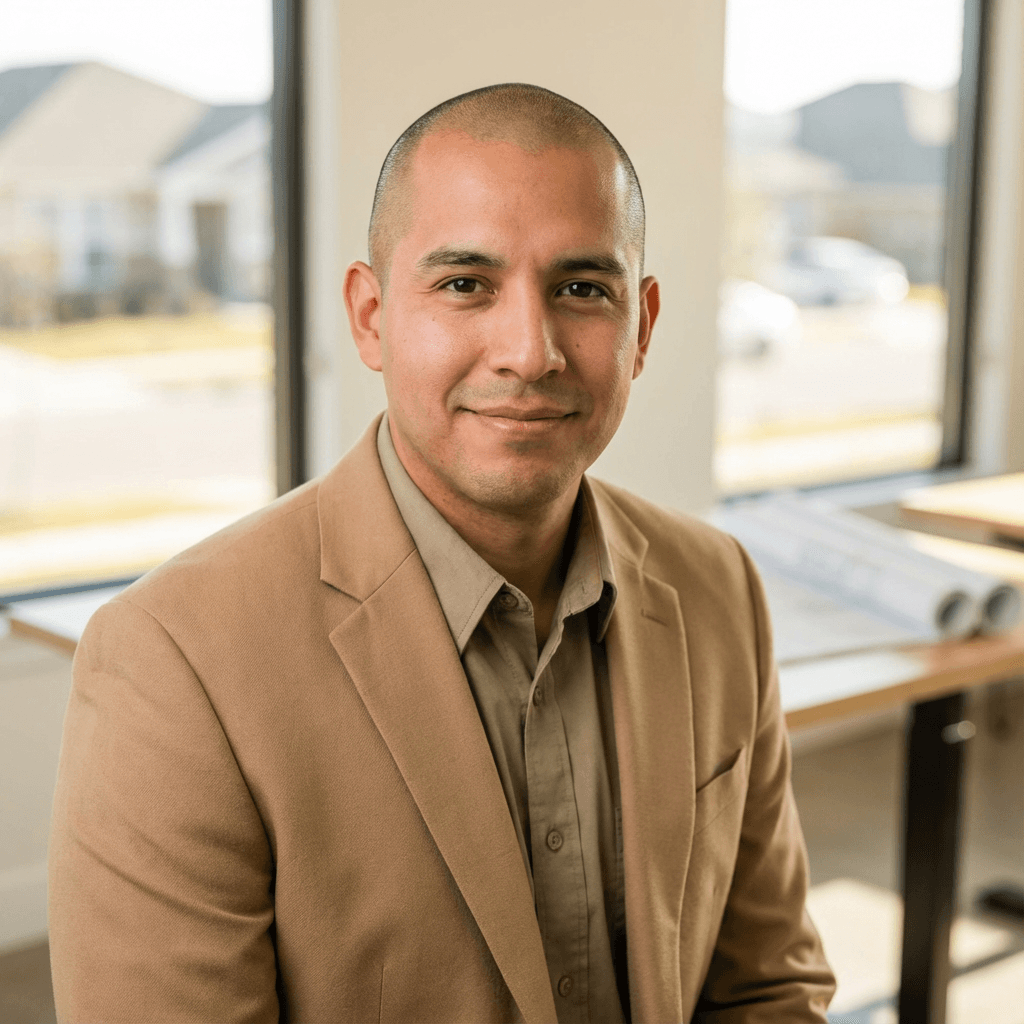
David Rodriguez
Community organizer
Our partnership with the National Center has strengthened our ability to protect vulnerable youth in foster care. Their expertise and commitment are invaluable.

Dr. Lisa Thompson
Director, youth advocacy nonprofit
The center uncovered financial exploitation I couldn't prove on my own. They fought to recover what was stolen and prevent it from happening to others.

Robert Jenkins
Financial crimes survivor